ADU News
ADU reform : what good is a law if it’s not enforced?
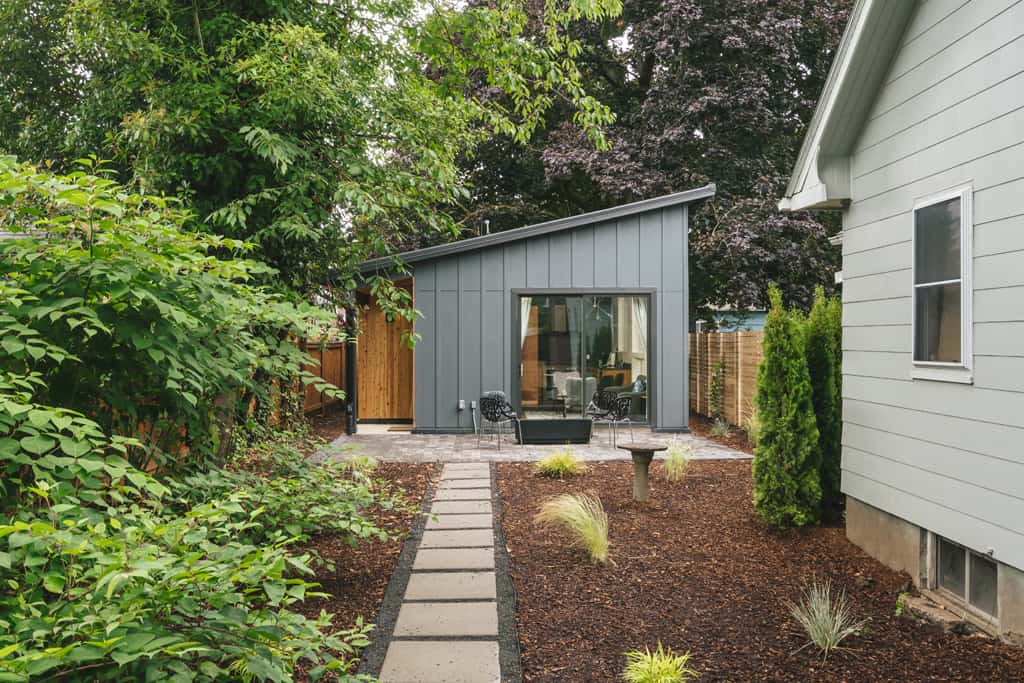
Despite California's recent legislative reforms designed to streamline accessory dwelling unit (ADU) construction, many local governments are failing to comply with state requirements, creating significant delays for homeowners seeking to build additional housing on their properties.
ADUs, commonly known as granny flats or backyard cottages, represent a key strategy for addressing California's housing shortage by allowing property owners to add secondary units to existing residential lots.
State law now mandates that local jurisdictions issue ADU permits within 60 days if applications meet established standards, while removing much of the bureaucratic discretion that previously allowed officials to deny permits arbitrarily.
However, enforcement remains inconsistent across jurisdictions.
San Diego County exemplifies the problem, taking a median of 187 days to process ADU permits—more than triple the legal requirement.
In Malibu, local officials rejected an application from homeowners Elizabeth and Jason Riddick, who sought to build an attached unit for her elderly mother, citing local regulations that conflict with state law.
These delays have significant implications for California's housing market, as ADU construction represents one of the most accessible paths for homeowners to add housing supply and generate rental income.
The ongoing non-compliance by local governments undermines state efforts to address the housing crisis and may require additional enforcement mechanisms to ensure municipalities follow established timelines and approval standards.