ADU News
Behind the scenes of the fight over accessory dwelling units
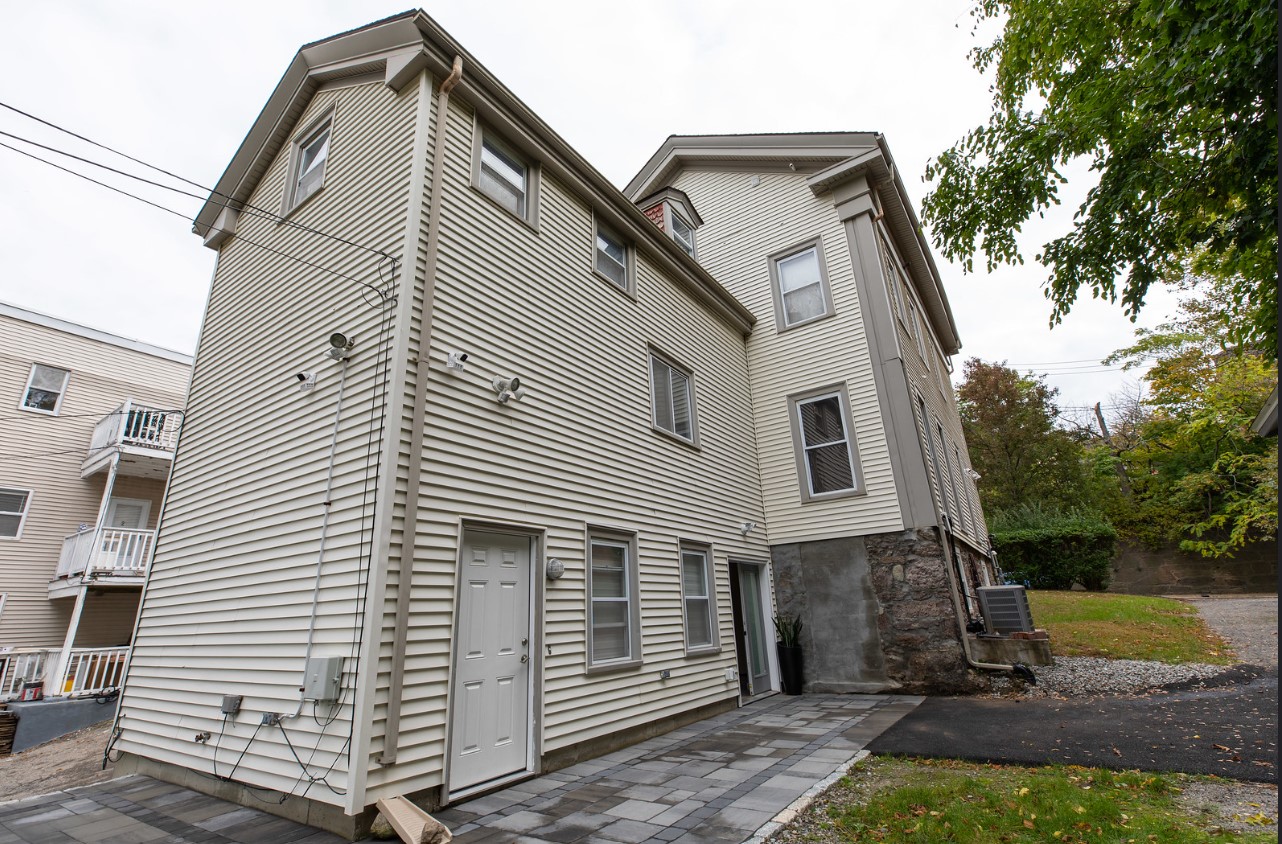
Massachusetts has implemented new regulations allowing accessory dwelling units by right in single-family residential zones, offering insights into ongoing nationwide efforts to address housing shortages through state-level zoning reforms.
The February 2024 regulations eliminate special permit requirements for ADUs under 900 square feet and remove previous restrictions that required owner occupancy, family relationships, or dedicated parking spaces.
Governor Maura Healey's administration estimates the changes could generate 8,000 to 10,000 new housing units over five years.
The Massachusetts ADU reforms mirror California's own accessory dwelling unit legislation, which has similarly streamlined approval processes and reduced local regulatory barriers.
Like California's experience with state housing mandates, Massachusetts communities have pushed back against what they view as state overreach into local zoning authority.
Fall River Mayor Paul Coogan criticized the regulations as a "one-size-fits-all" approach that disregards local needs and zoning regulations.
The ADU battle follows Massachusetts' contentious MBTA Communities law requiring multifamily zoning near transit, which faced legal challenges from local officials.
For California property developers and homeowners, Massachusetts' experience demonstrates both the potential and political challenges of state-mandated housing reforms.
The Bay State's goal of creating 222,000 new housing units over the next decade through various initiatives including ADU streamlining reflects similar ambitious targets California has set for addressing its housing crisis through state-level policy interventions.