ADU News
The Accessory Success Story: How San Diego Builds Multi
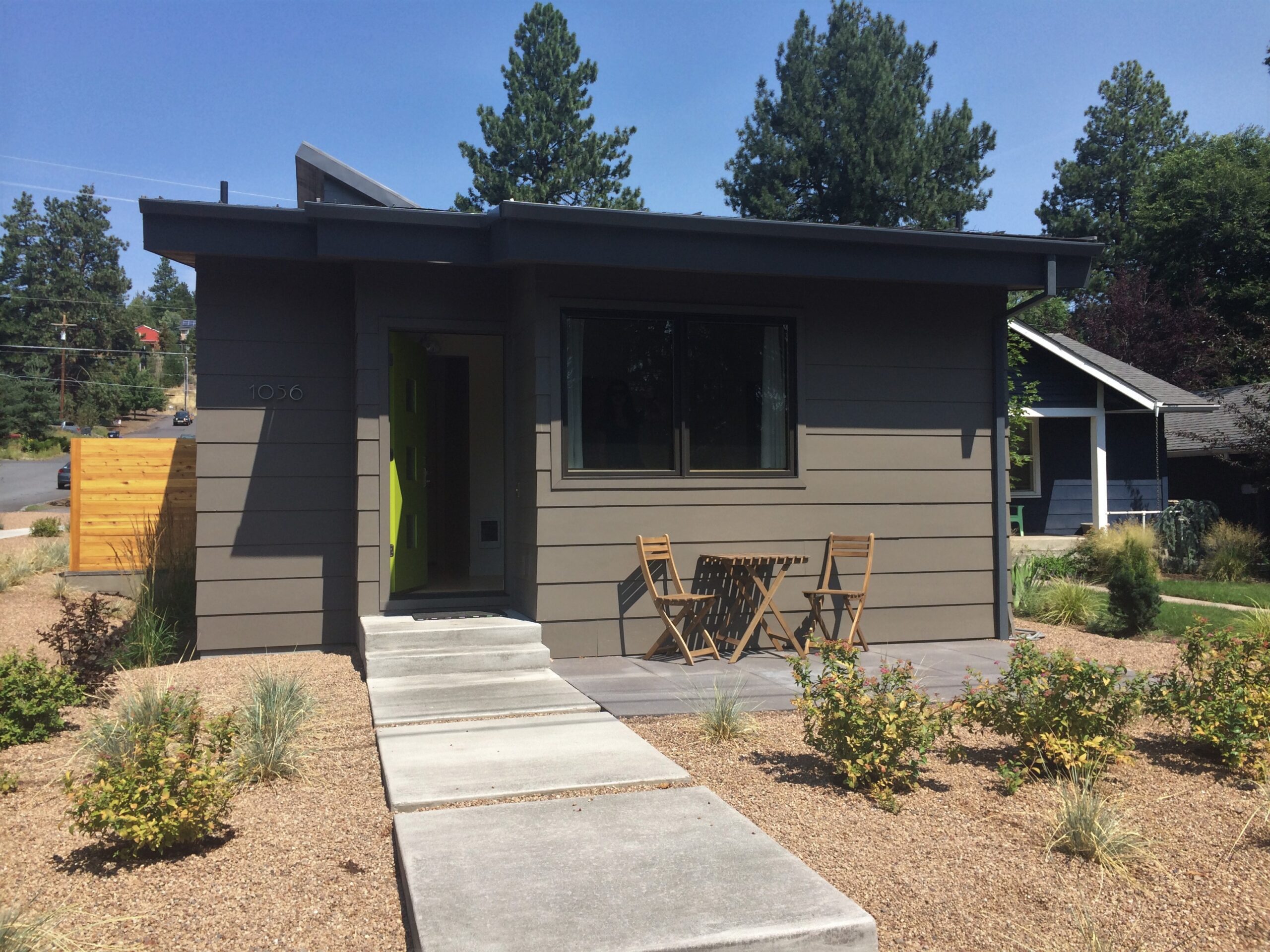
California's accessory dwelling unit (ADU) program has evolved significantly since 2016, when state legislation broadly legalized these secondary housing units on residential properties.
The law initially allowed up to two ADUs per lot, generating tens of thousands of new housing units statewide.
ADUs, commonly called "granny flats" or "in-law units," are legally considered part of the existing property while functioning as independent living spaces.
San Diego has emerged as a leader in ADU innovation through its Bonus ADU Program, launched in 2020 in response to state requirements for cities to incentivize affordable ADU creation.
The program allows property owners to build additional ADUs beyond the state-mandated two-unit limit, provided some units are deed-restricted as affordable housing.
In standard residential areas, homeowners can construct at least two extra ADUs if one meets affordability requirements.
Within Transit Priority Areas—defined as parcels within half a mile of transit—property owners can build unlimited ADUs as long as 50 percent are affordable and comply with existing zoning standards.
The program offers flexibility for property owners, who can restrict units at low-income levels for 10 years or moderate-income levels for 15 years.
The San Diego Housing Commission manages tenant income verification and compliance monitoring for a nominal fee, streamlining the process for developers while ensuring long-term affordability commitments are maintained.