ADU News
The Missing Middle: Why Accessory Dwelling Units Face Implementation Barriers in Truckee
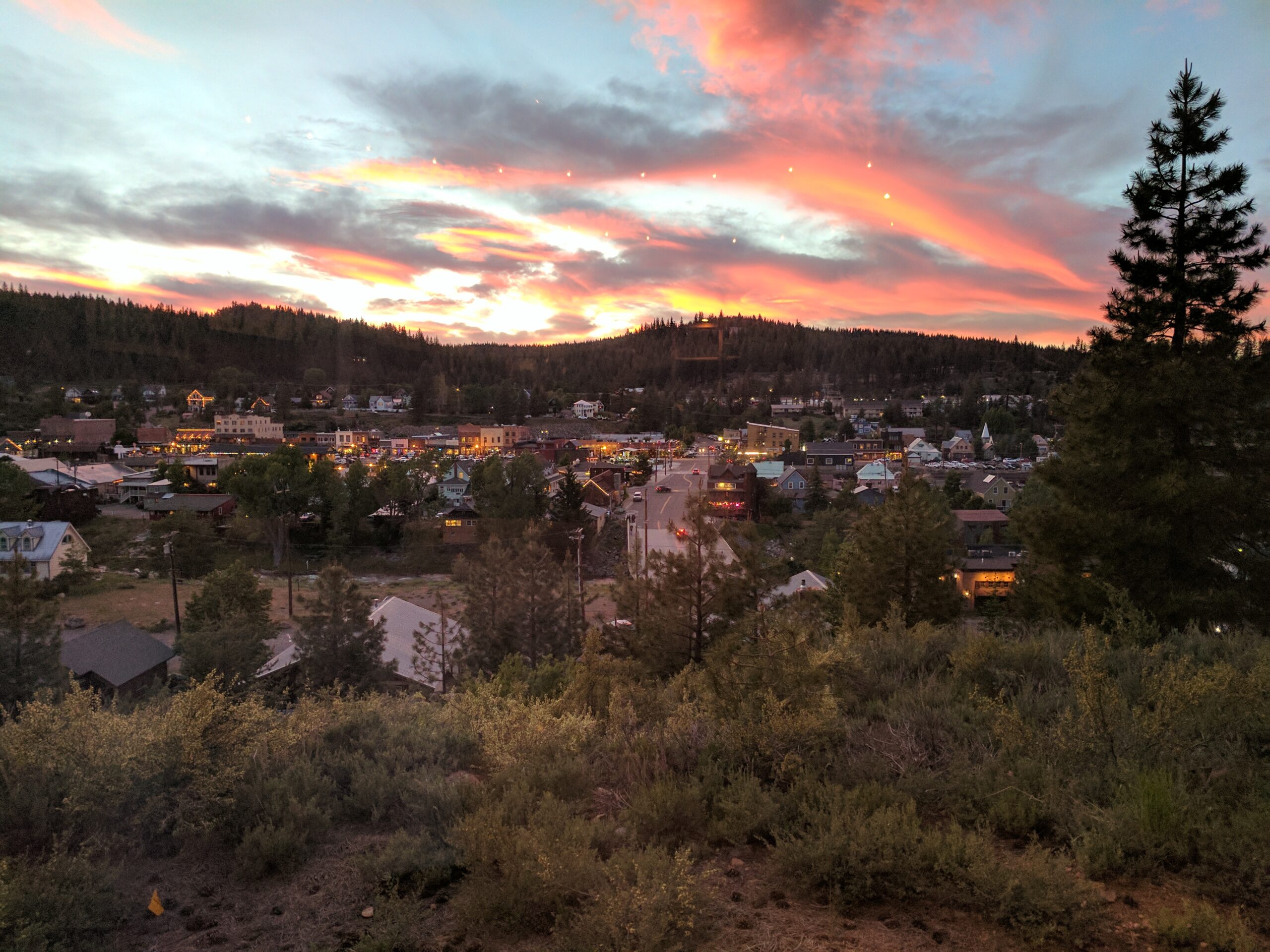
A new study examining accessory dwelling unit implementation in Truckee, California reveals significant barriers preventing homeowners from completing ADU projects despite state reforms designed to streamline the process.
The research, conducted by Northeastern University doctoral candidate Thomas J.
Powell, found that regulatory complexity, rising construction costs, and information gaps are deterring ADU development in the mountain resort community where median home prices exceed $1.1 million.
Powell's study surveyed 481 homeowners and interviewed 12 individuals who abandoned ADU projects, revealing that homeowners must navigate 18 separate fee-charging entities with different requirements to build an ADU in Truckee.
One homeowner faced an unexpected $5,200 expense when discovering that while the town waived fees for ADUs under 750 square feet, the sanitation district only waived fees under 500 square feet.
Construction costs also proved prohibitive, with several participants abandoning projects after completing permitting when construction estimates revealed lengthy payback periods.
The findings highlight implementation challenges for California's ADU reforms, which allow homeowners to build secondary units on their properties to address housing shortages.
The study suggests that while state legislation has simplified approval processes, fragmentation between local agencies continues to create obstacles for homeowners seeking to develop workforce housing.
For California property developers and homeowners considering ADU projects, the research underscores the importance of thoroughly investigating local regulatory requirements and construction costs before beginning the permitting process.