Affordability
Your guide to the California governor candidates' views on housing and homelessness

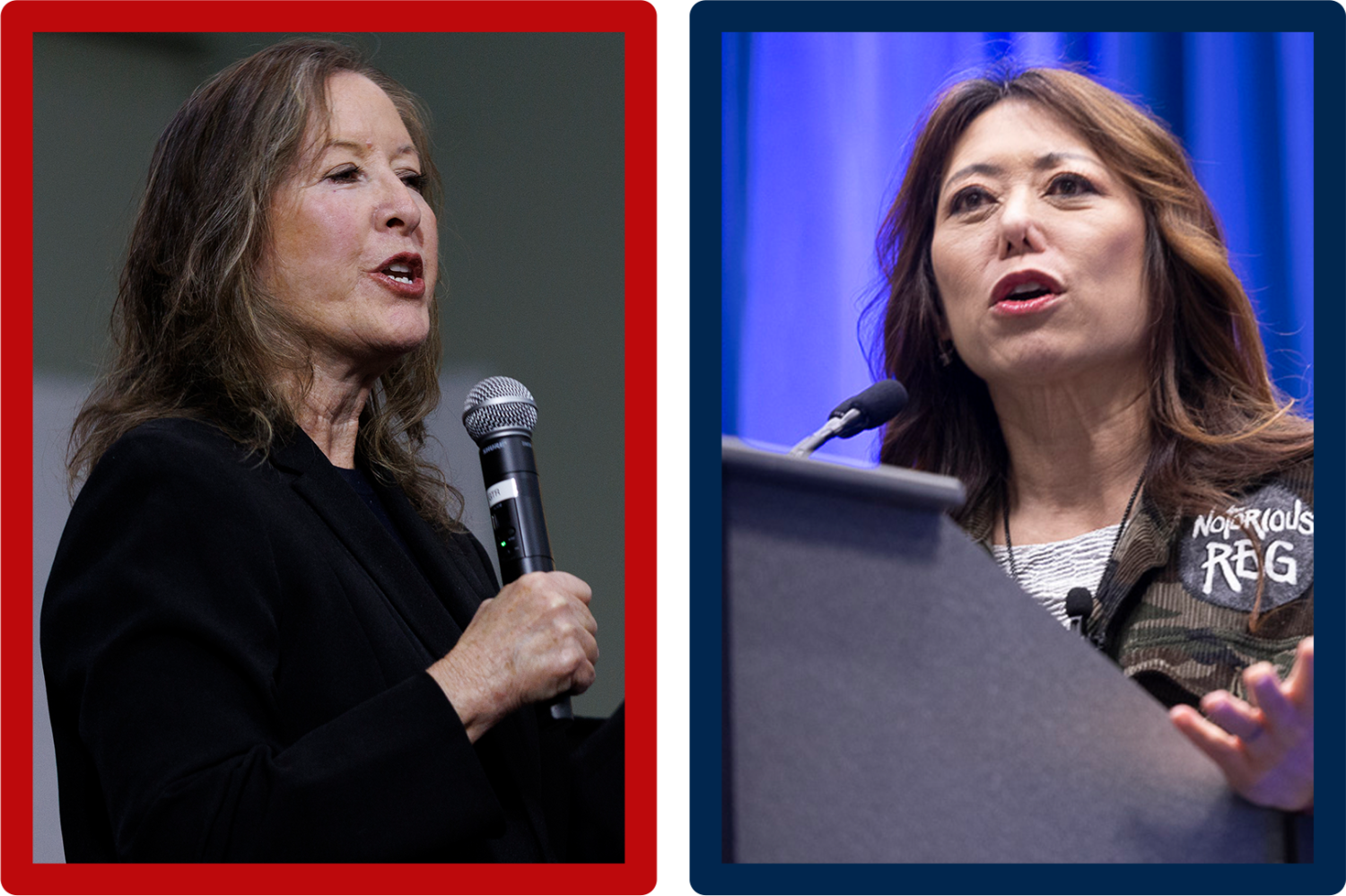
Eight candidates vying for California's governorship have outlined competing approaches to address the state's housing affordability and homelessness crises, with proposals that could significantly impact property developers and homeowners statewide.
The candidates generally agree on reducing regulatory red tape to accelerate housing construction, though they diverge sharply on implementation strategies and the role of government intervention.
Leading Republican candidate Steve Hilton advocates for easing restrictions on suburban development to boost housing supply, a position that could benefit large-scale residential developers looking to expand into previously restricted areas.
Democratic candidates favor increasing housing density within existing urban centers, potentially creating more opportunities for infill development and accessory dwelling unit construction.
Several candidates have also proposed expanded services for homeless populations, including mandatory treatment programs, which could influence local housing policies and development requirements.
The candidates' housing platforms reflect broader philosophical differences about market-driven versus government-led solutions to California's affordability crisis.
Property developers and homeowners will likely see varying impacts depending on which approaches gain traction, particularly regarding zoning reforms, environmental review processes, and local approval timelines.
With California's primary election scheduled for June 2, the top two candidates regardless of party affiliation will advance to November's general election, where housing policy is expected to remain a central campaign issue.